Overview
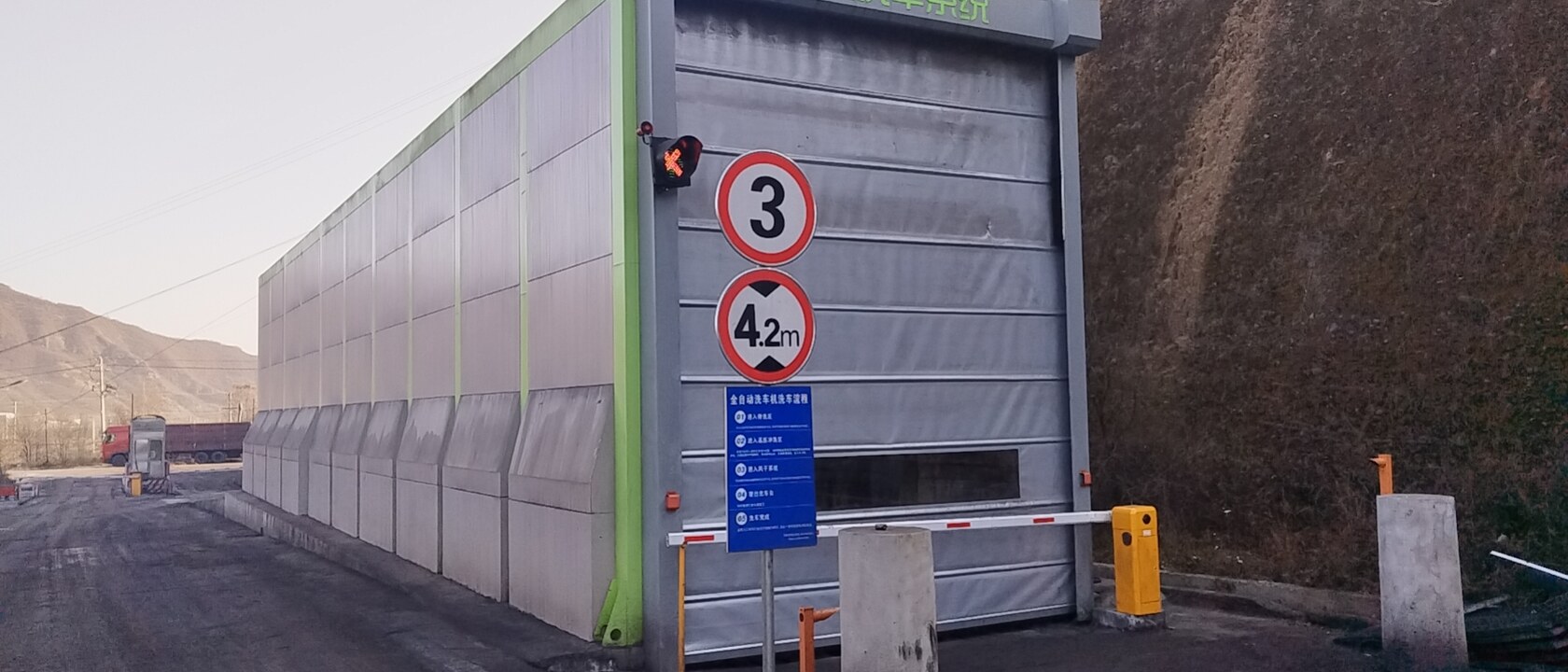
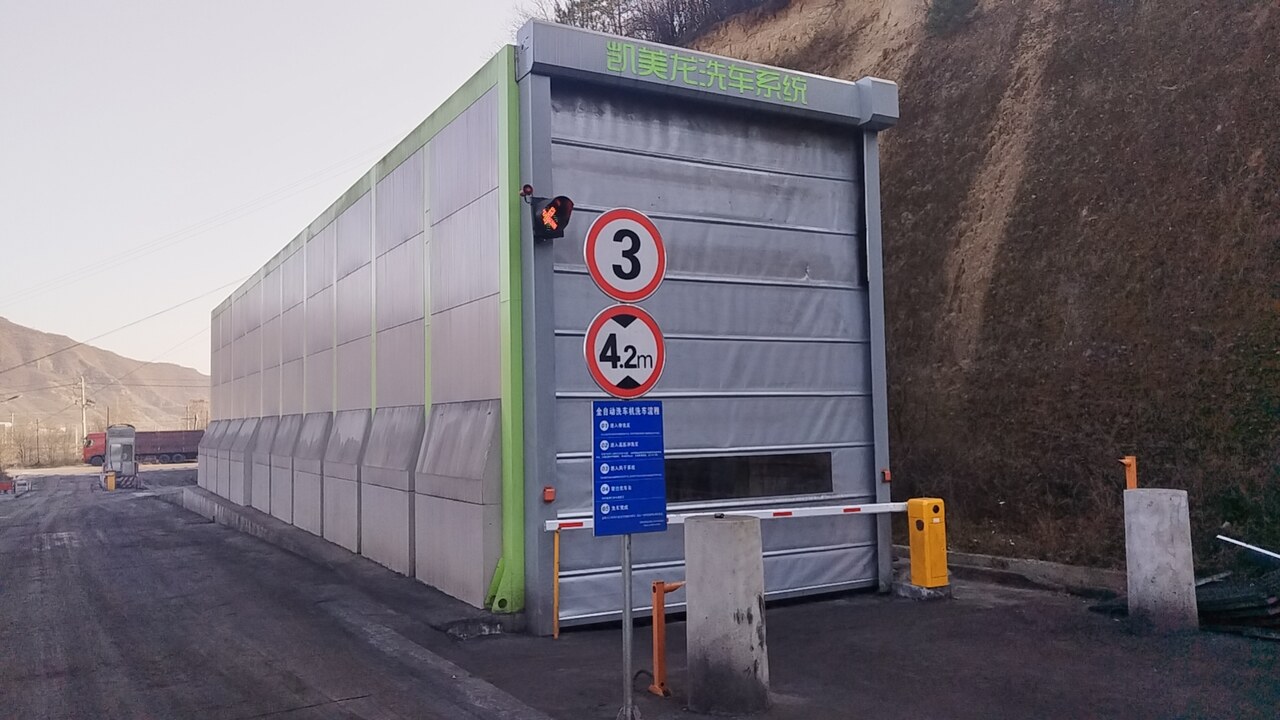
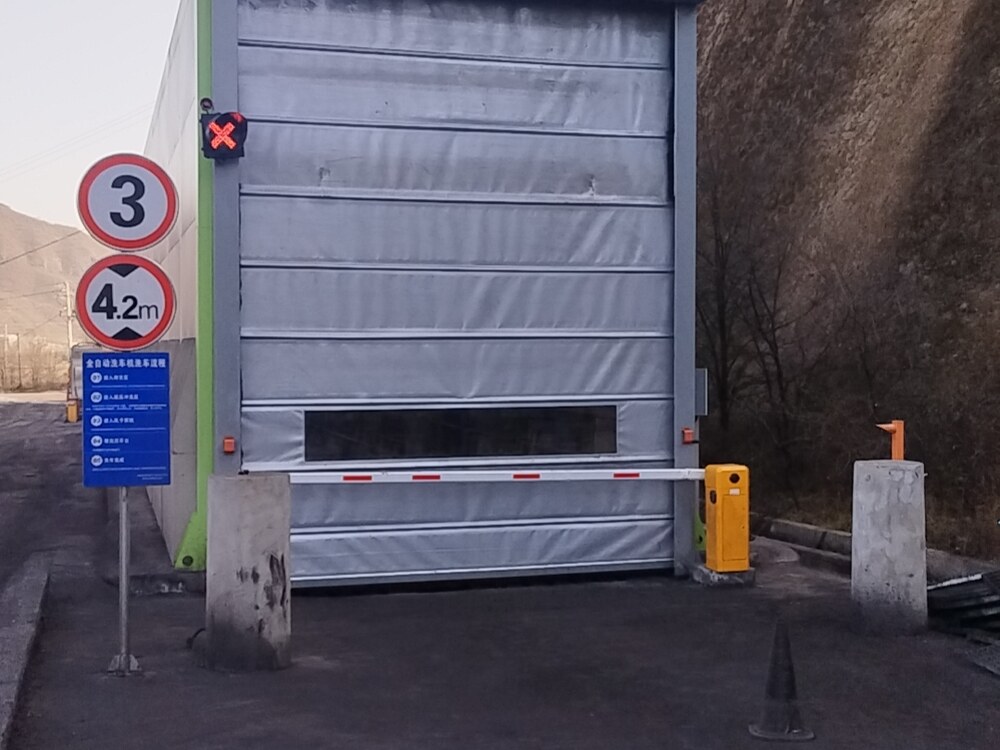
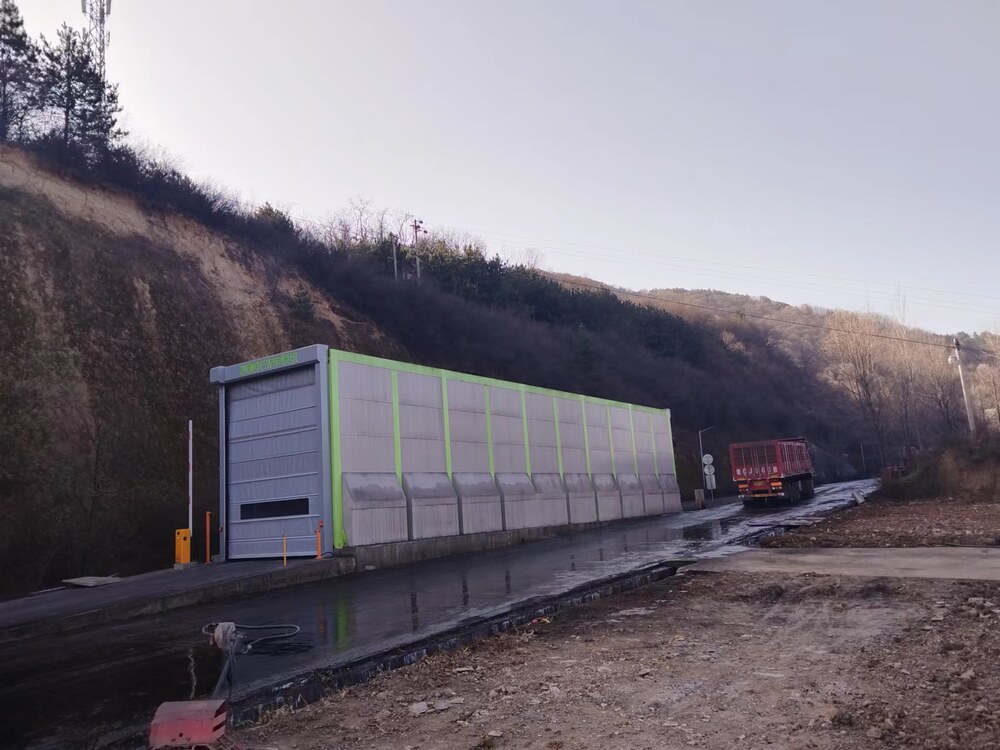
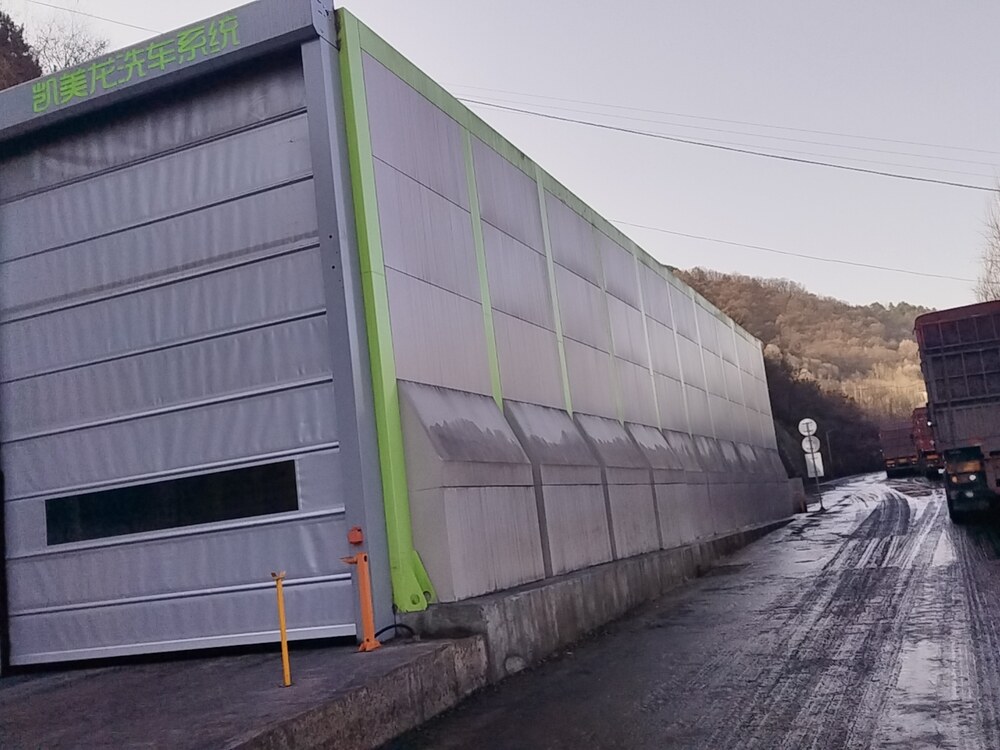
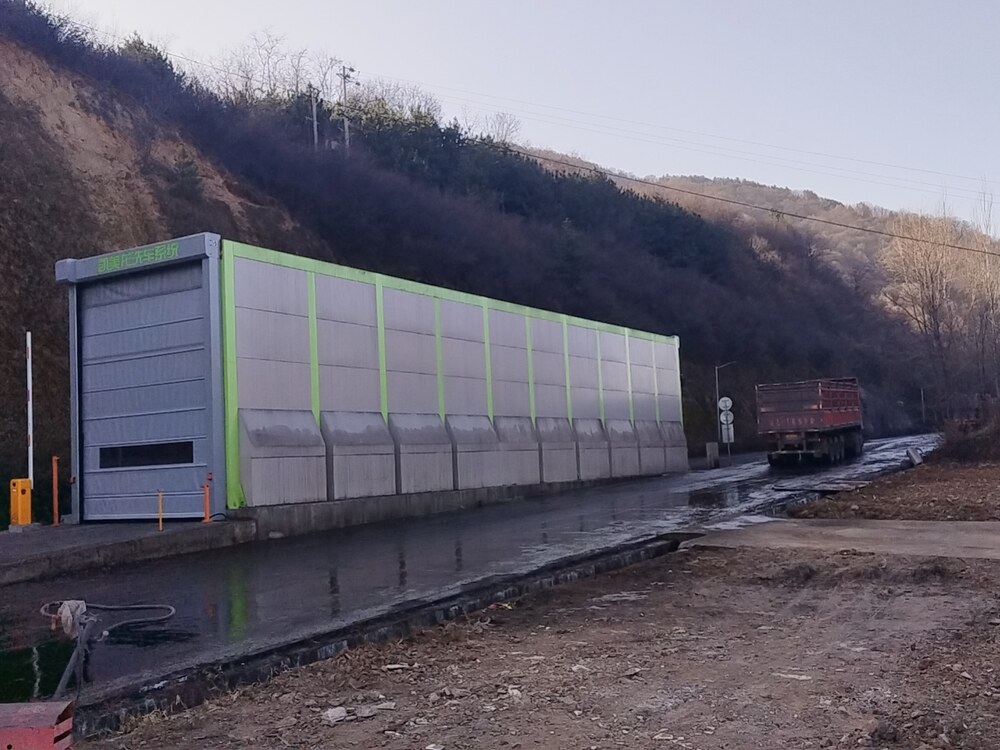
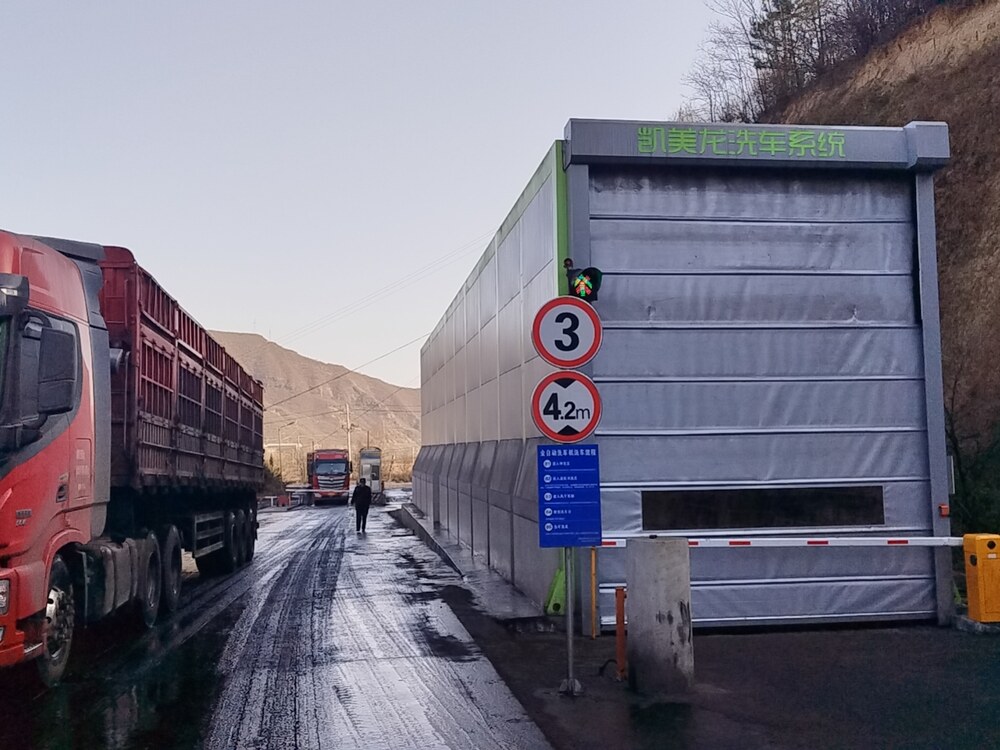
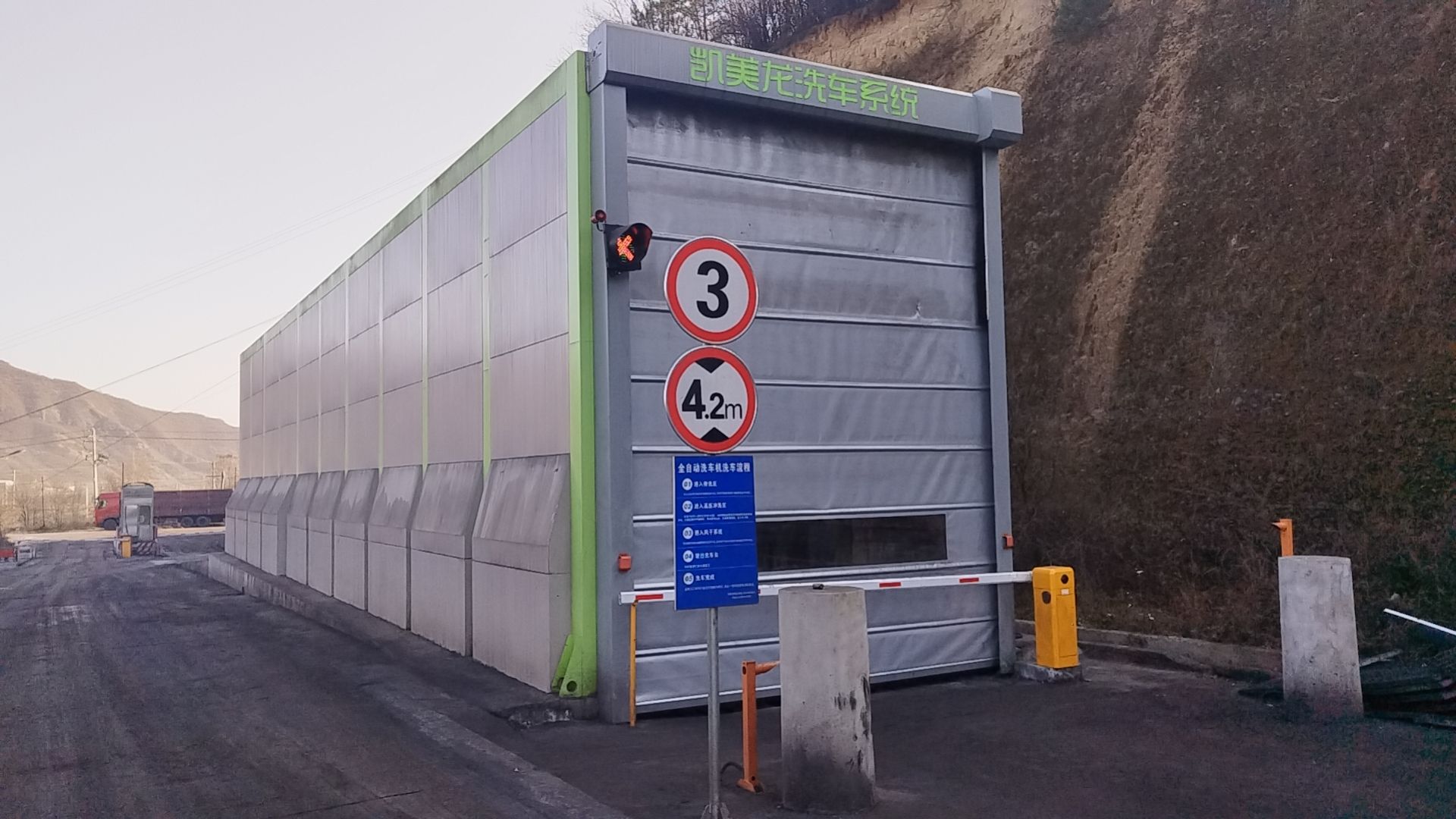
The Phase I and II coal shed retrofit in Pingliang, Gansu required a vehicle wash facility, installed at the Huaneng Gansu Power Plant site in Kongtong District, Pingliang. KAMRON supplied one 25 m fully enclosed washer with a 15 m wash zone and 10 m dewatering/drying zone, along with rapid doors and insulated piping, and also took on the civil design and construction of the machine foundation and the three-stage recycling settling tank (5 x 20 x 3 m) to suit winter operation in a cold climate.
Client Profile
The unit is installed at the Huaneng Gansu Power Plant site in Kongtong District, Pingliang, serving coal yard transport vehicles. Pingliang lies in a cold-climate zone where winter temperatures are low, so the circulating-water inlet piping has to be buried below the frost line and rapid closing doors are needed at the workshop entrance to hold internal temperature. Vehicles are mainly heavy tippers and semi-trailers whose coal-mud carry-out soils internal roads.
The Challenge
- For winter operation in a cold region, circulating-water inlet piping had to be buried below the frost line and rapid doors fitted at the workshop entrance.
- Washing equipment and civil works (foundation, settling tank, drains) had to be delivered by one supplier, since splitting them makes interface responsibility hard to define.
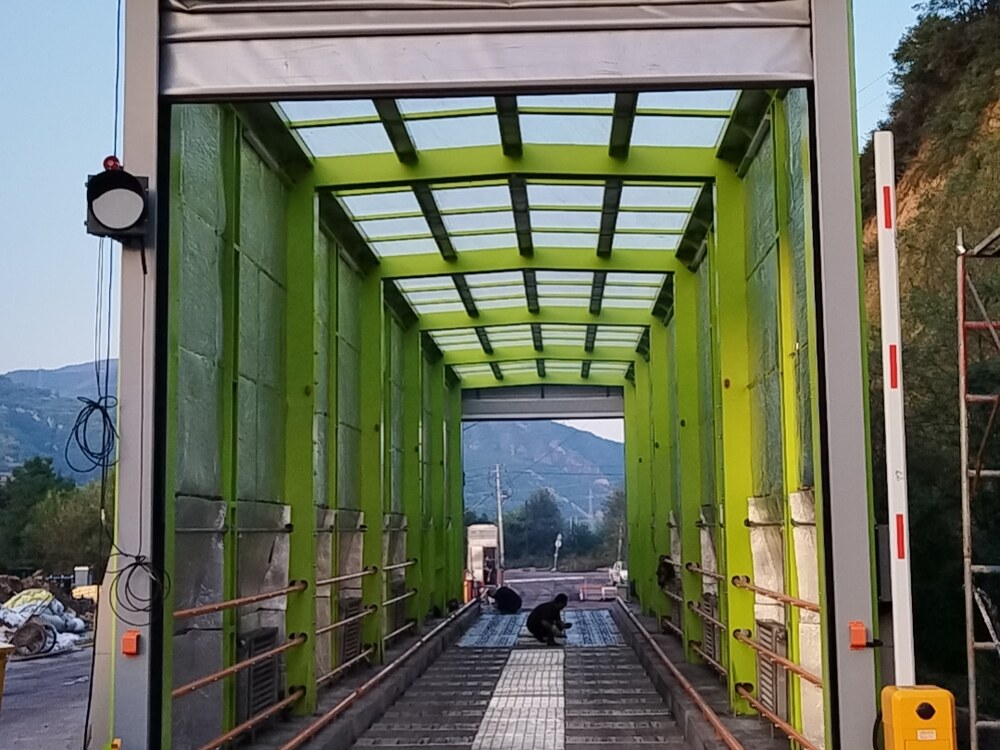
- The foundation had to carry 100-tonne vehicles and be formed as sloped trenches that serve both traffic and desilting.
- The site required one-touch trench desilting and sludge discharge to reduce manual entry into the trenches.
- The dusty coal environment imposed clear requirements on electrical protection ratings and component brands.
The Solution
KAMRON supplied one 25 x 5 x 5.5 m fully enclosed washer in GB rectangular-tube steel columns, beams, connection plates and reinforced sheet-metal parts, folded and hot-dip galvanised. The unit divides into a wash zone (15 x 5 x 5.5 m) and a dewatering/drying zone (10 x 5 x 5.5 m), with a clear lane width of at least 3200 mm, throughput of 40-60 vehicles per hour and 1.6 MPa wash pressure. Four main pumps at 20 t/h and 160 m head each cover chassis wash, side wash and one-touch trench desilting and sludge discharge. The shake-dry zone uses double-layer vibrating grating - 100 x 100 x 6 mm square steel below and 70 x 70 x 8 mm angle above - hot-dip galvanised, while the dewatering zone uses four 5.5 kW centrifugal fans with longitudinal compressed-air-knife outlets facing each other. Controls use Schneider contactors, Mitsubishi PLC and Taiwanese photoelectric sensors at IP55. For civil works, the wash platform foundation measures 25 x 5 m in reinforced concrete with sloped trenches, supported by a three-stage recycling settling tank (5 x 20 x 3 m) and diversion channel, with the first stage sloped for excavator desilting.
Project Details
- Rapid doors and insulated piping, with circulating-water lines buried below the frost line, keep the system running through winter in Gansu.
- One supplier delivering both equipment and civil works keeps interface responsibility over foundation, settling tank and drains clear, avoiding blame-shifting during construction.
- Sloped trenches in the platform foundation serve both vehicle traffic and sludge clearing, supporting paving and desilting at once.
- One-touch trench desilting reduces personnel entering the trenches, lowering confined-space risk.
- A 5 x 20 x 3 m three-stage settling tank with a sloped first stage recycles wash water and allows excavator desilting at controlled operating cost.
For a wash project in a cold region, success often depends not on washing capability but on whether water freezes and whether sludge can be removed. By treating rapid doors, pipe insulation, below-frost-line burial and a sloped first settling stage as core design conditions, this project shows that climate and civil constraints must enter the calculation at equipment-selection stage rather than being patched during construction.
Project Gallery